The History and Significance of Cultural Parades
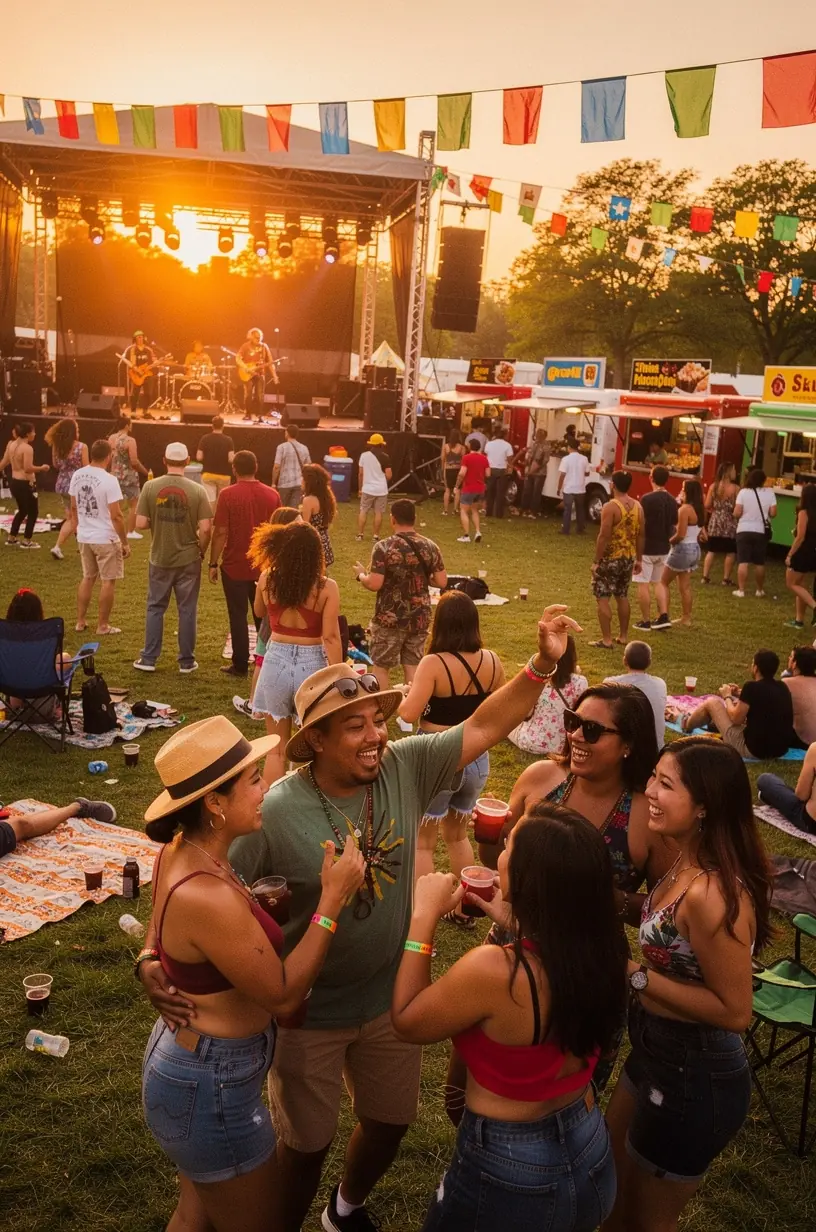
Cultural parades represent a vibrant expression of community identity, drawing on centuries of tradition and local customs. These events not only celebrate heritage but also foster community cohesion, making them a focal point of local culture in many U.S. cities.
Understanding the Origins of Cultural Parades
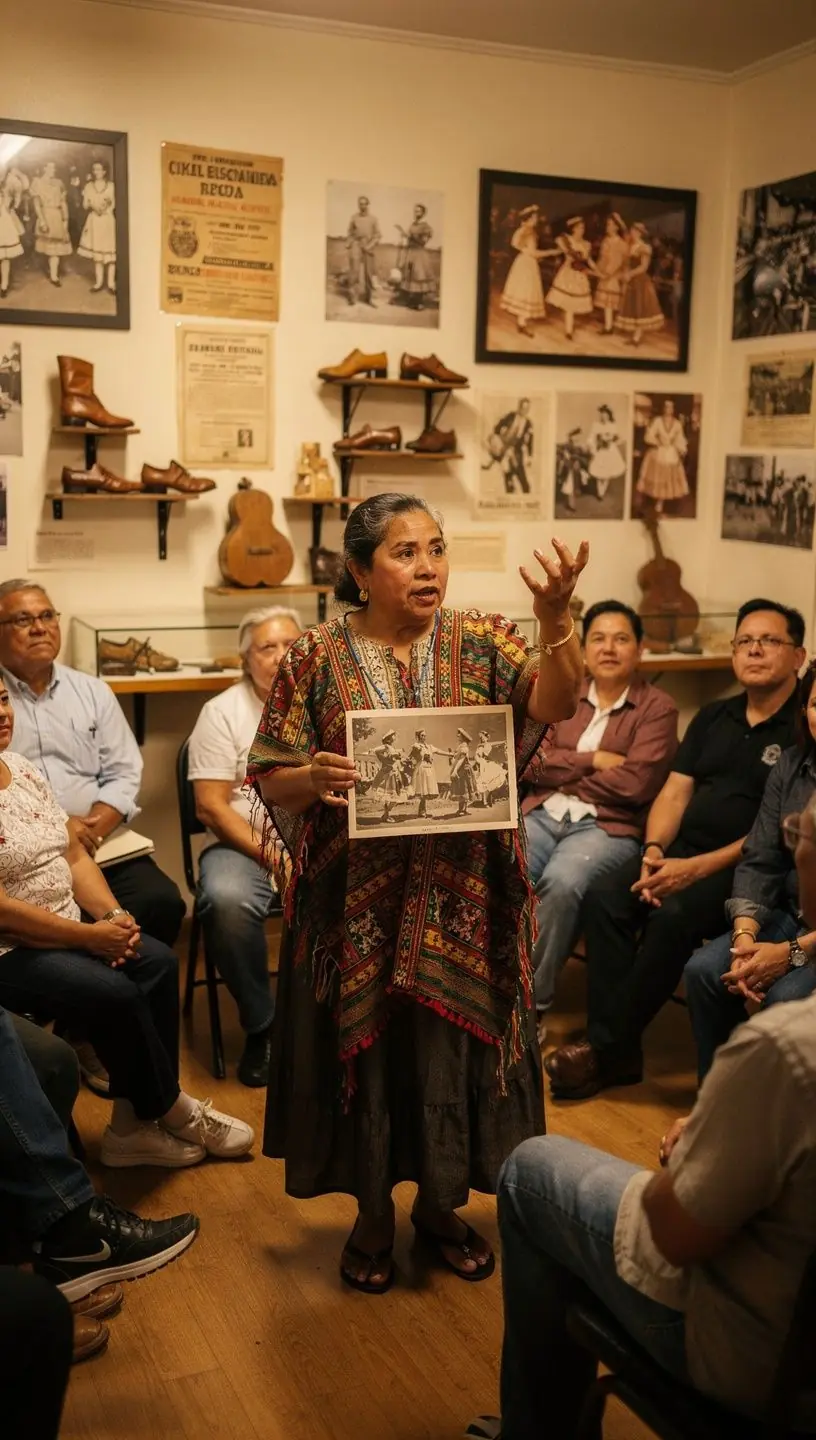
Cultural parades can often be traced back to religious and seasonal celebrations. According to historians, many of these events were initially organized to honor deities or mark significant agricultural milestones. Over time, they evolved into more inclusive celebrations that reflect the diverse cultural fabric of American society.
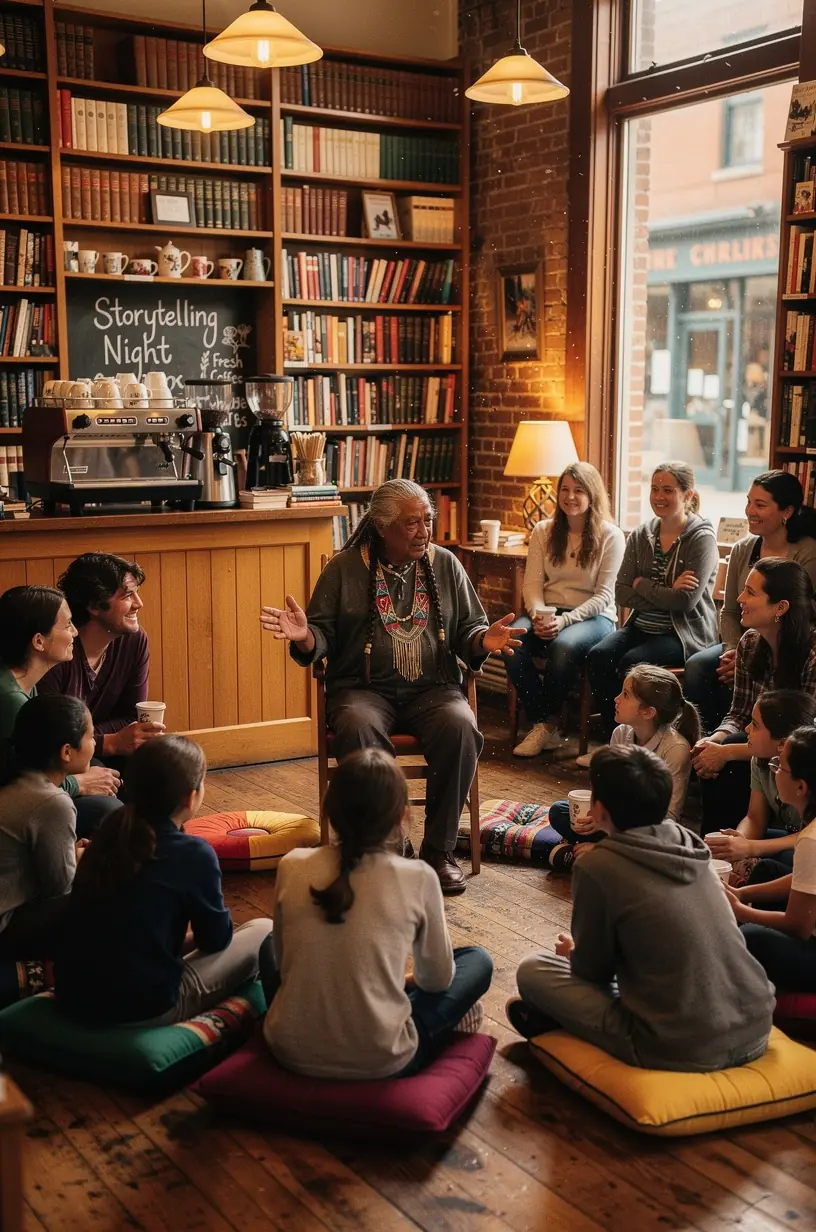
"Cultural parades serve as a mirror reflecting the history, struggles, and triumphs of communities." - Local Historian
Why Cultural Parades Matter
Research indicates that cultural parades play a crucial role in community identity by:
- Fostering Unity: Many participants report that these events create a sense of belonging, especially in diverse communities where individuals may feel isolated.
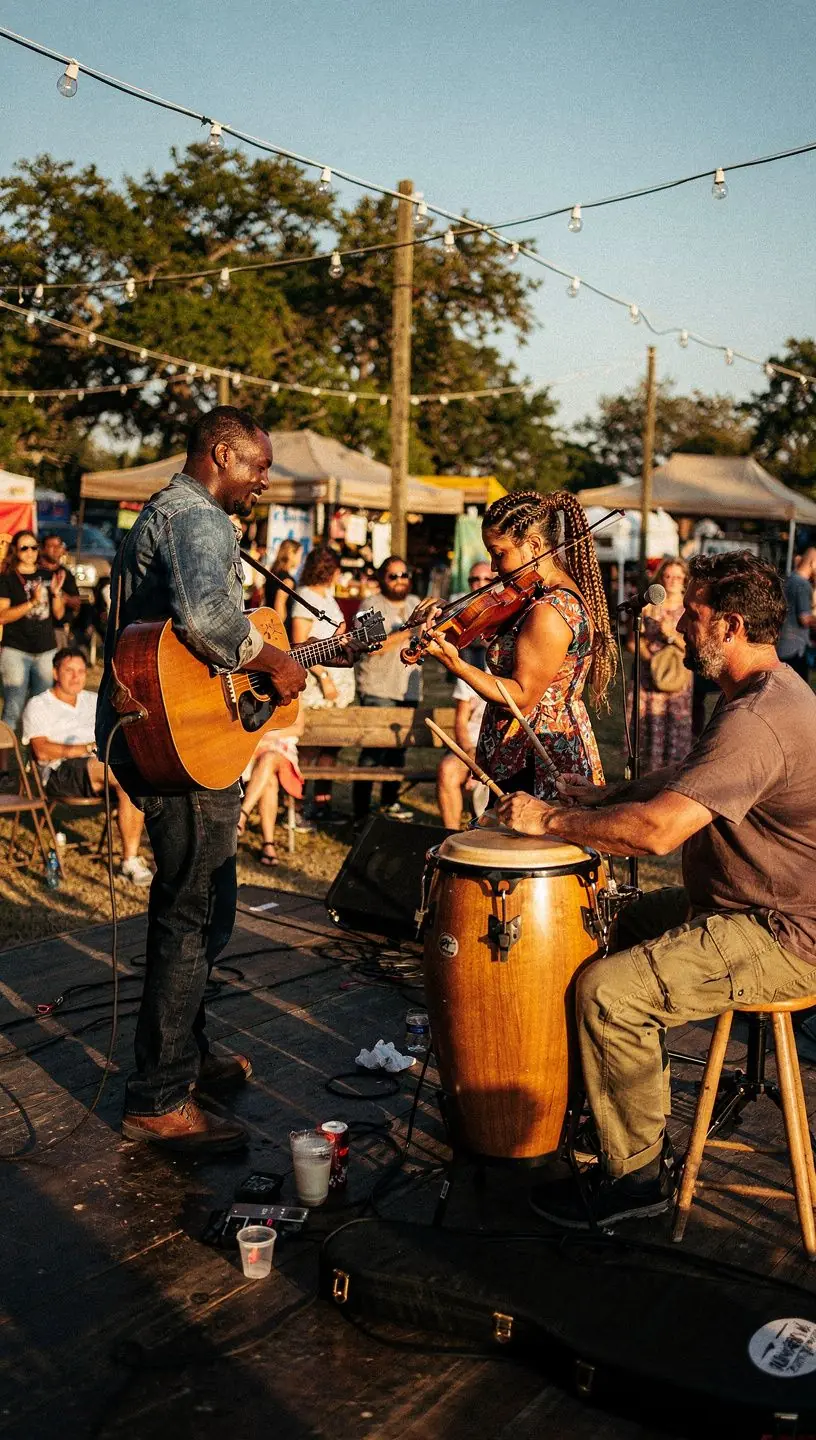
- Promoting Heritage: Experts suggest that parades provide a platform for showcasing cultural traditions, including music, dance, and art, helping to preserve them for future generations.
- Encouraging Economic Growth: Local businesses typically see a boost during parade weekends, as thousands of attendees flock to the area, which can significantly increase sales.
The Structure of a Successful Parade
Organizing a cultural parade involves multiple steps that require careful planning and community involvement. Here’s a typical process:
- Community Engagement: Gathering input from local stakeholders is essential. This ensures the event reflects the interests and values of those it aims to celebrate.
- Permitting and Logistics: Securing the necessary permits and planning the parade route is crucial, often taking several months of coordination.
- Promotion: Effective marketing is vital. Utilizing social media and local businesses can significantly boost attendance, as many studies suggest that word-of-mouth remains one of the most effective forms of advertising.
Challenges and Considerations
While cultural parades can be incredibly rewarding, they are not without challenges. Organizers often face:
- Funding Issues: Securing financial support can be a barrier, as many parades rely on donations and sponsorships.
- Logistical Hurdles: Coordinating with local authorities and managing safety protocols requires significant effort and resources.
- Weather Challenges: Since parades are typically held outdoors, unpredictable weather can impact attendance and overall success.
Conclusion
Cultural parades are an integral aspect of local culture, providing communities with a chance to celebrate their heritage and foster unity among residents. While organizing such events can present challenges, the potential benefits—both cultural and economic—are often worth the effort. For those looking to participate or support local parades, understanding their significance can deepen appreciation and encourage more community involvement.