Understanding the Impact of Cultural Exchange Events
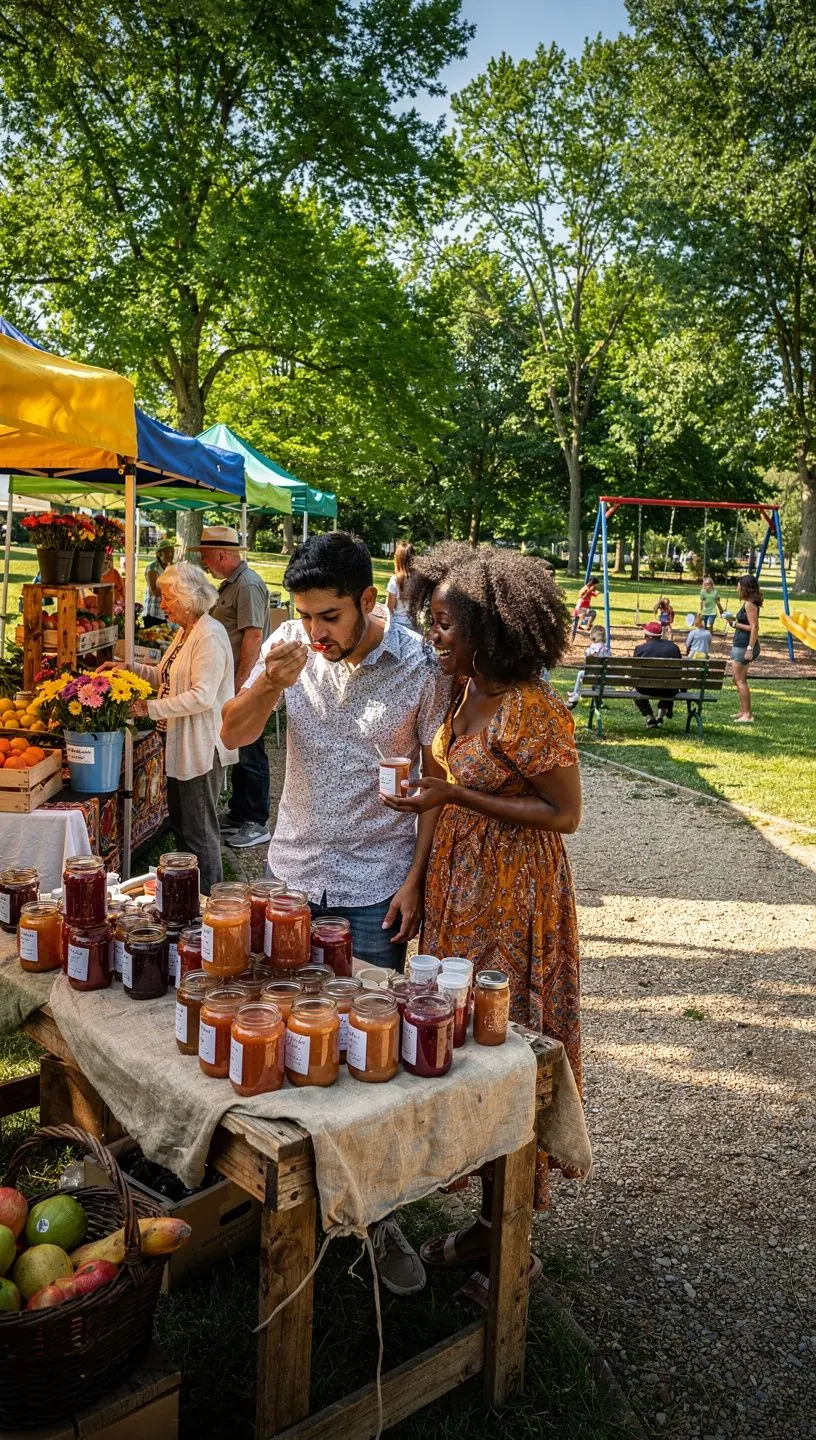
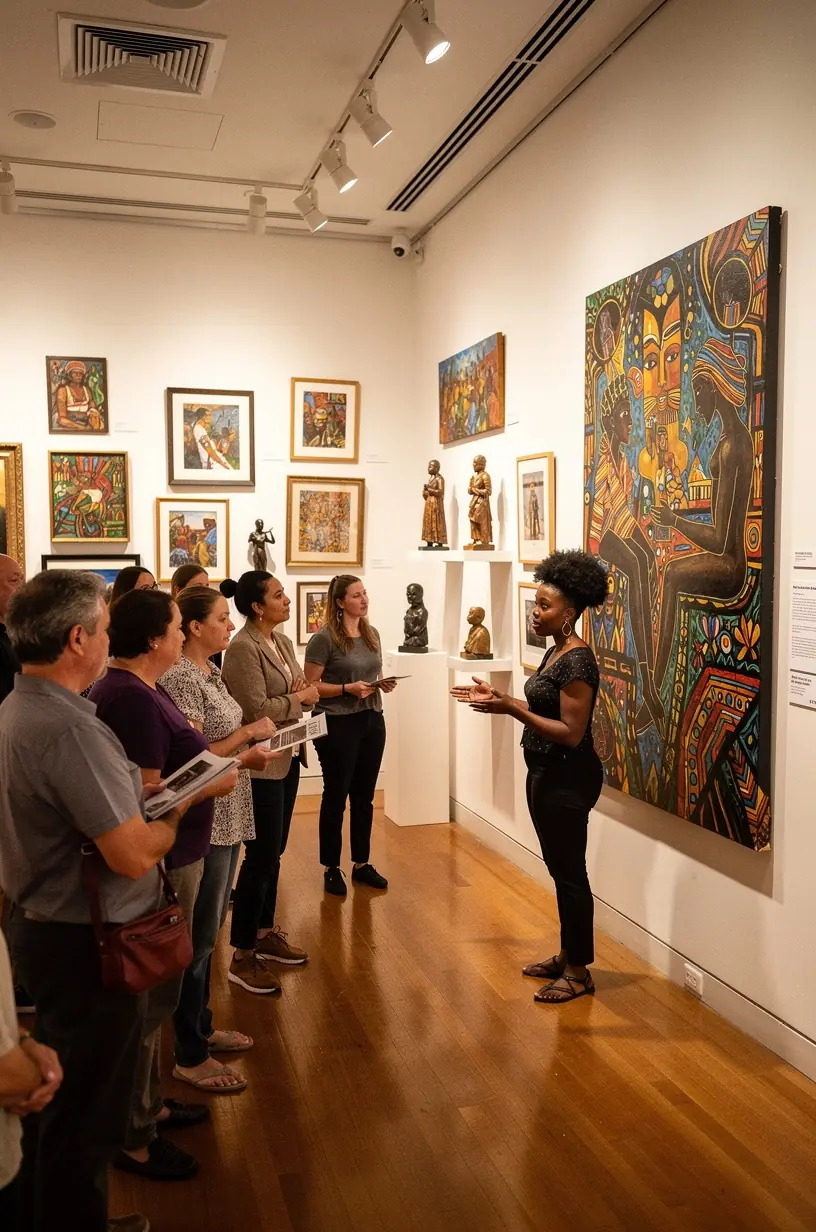
Cultural exchange events play a vital role in fostering community connections and enhancing cultural understanding. This article explores the significance of these events, their practical applications, and their potential to influence local culture positively.
Understanding the Basics
Cultural exchange events typically involve interactions between individuals from different cultural backgrounds, aiming to share traditions, customs, and artistic expressions. According to research published by the National Endowment for the Arts, engaging in cultural activities can lead to increased empathy and understanding among diverse groups. This works because exposure to varied perspectives can challenge preconceived notions and encourage open-mindedness.
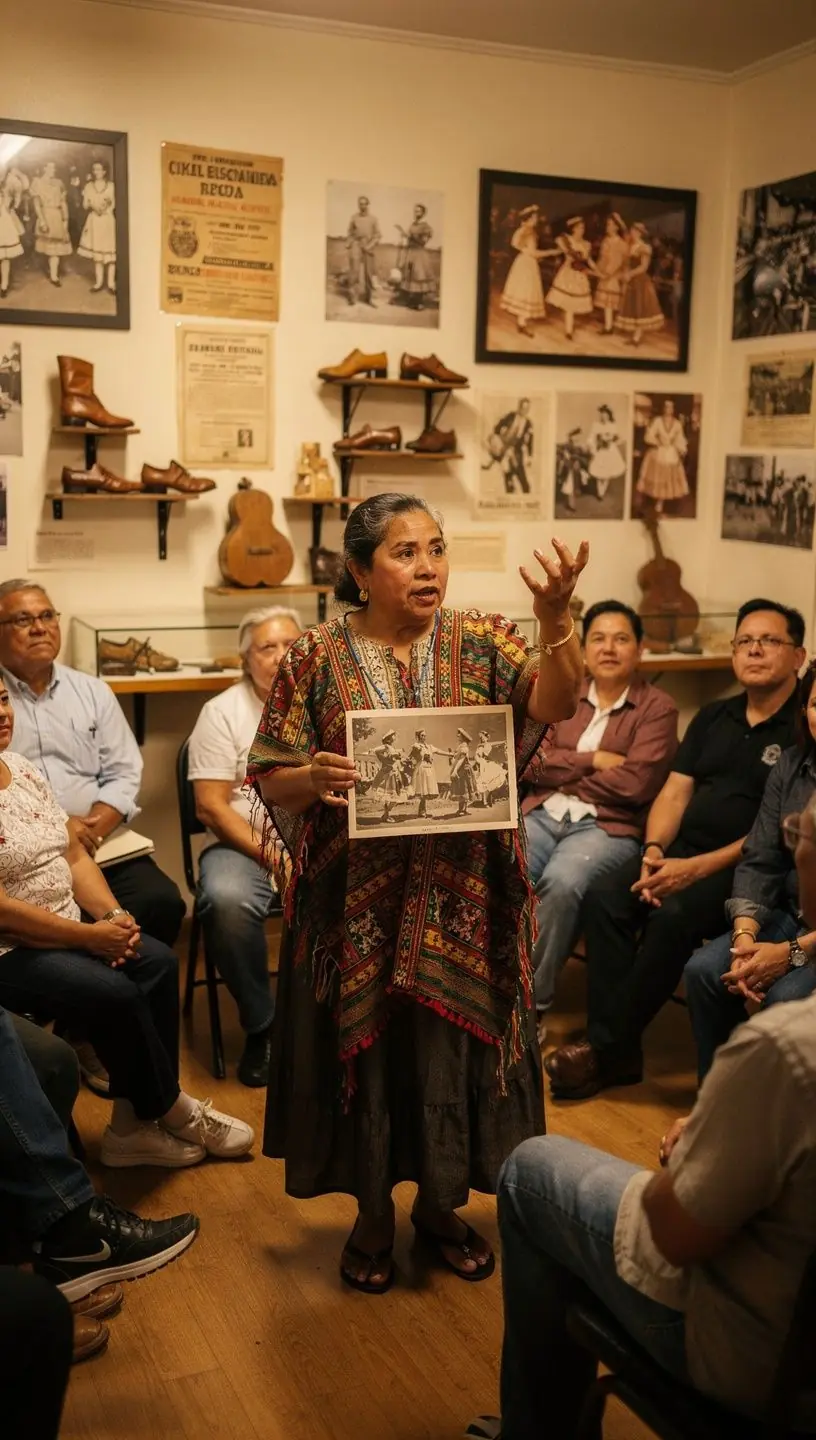
"Cultural exchanges not only enrich the participants but also strengthen community bonds, making neighborhoods more cohesive and vibrant." - Dr. Lisa Thompson, Cultural Anthropologist
Practical Applications
Implementing cultural exchange events requires careful planning and consideration. Here are a few practical approaches:
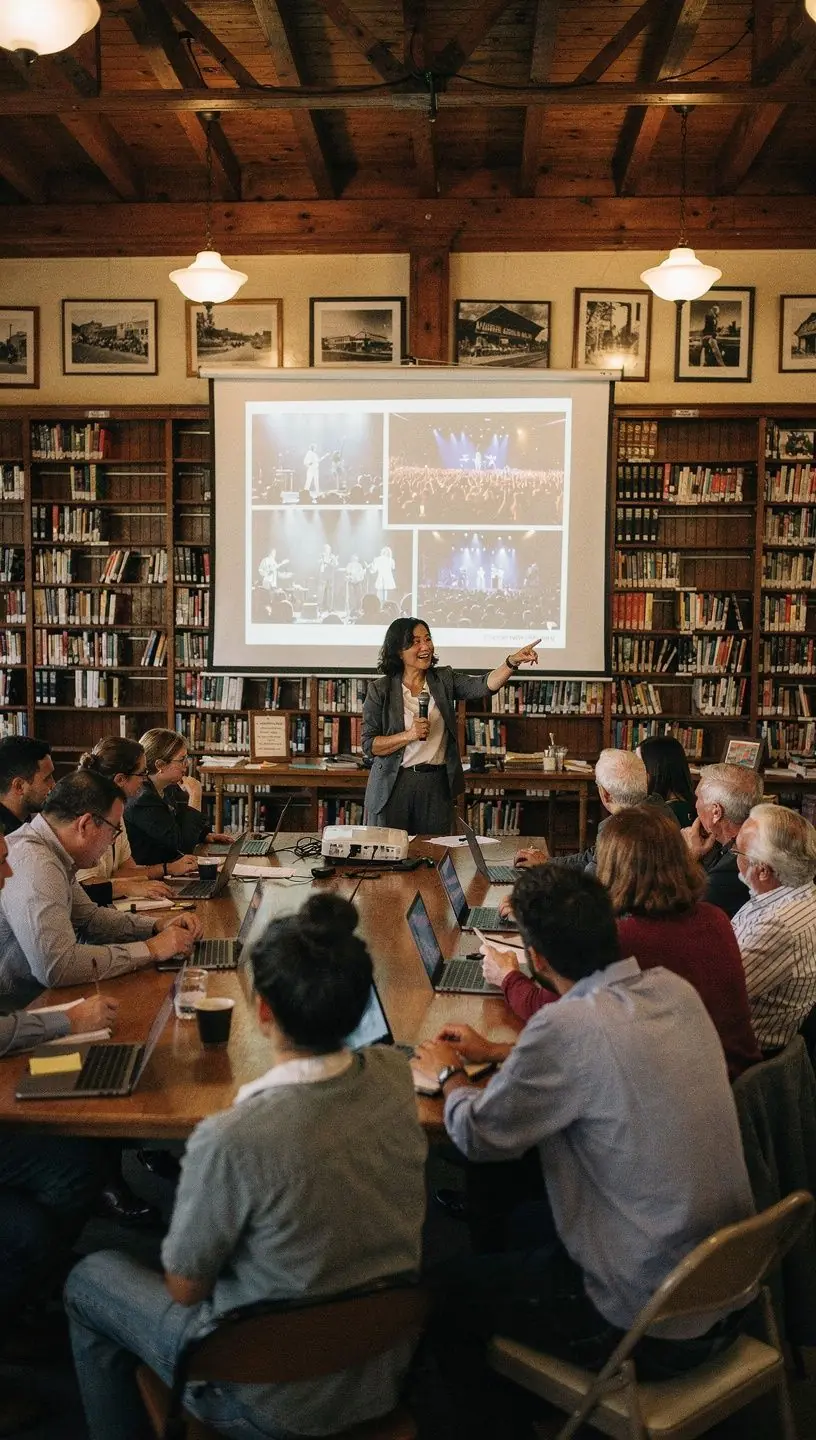
- Collaboration with Local Organizations: Partnering with community groups can enhance outreach efforts. Experts recommend involving various stakeholders, including schools and cultural institutions, to maximize participation.
- Inclusive Programming: Events should cater to diverse audiences, offering a range of activities that allow participants to engage with different cultures. This approach typically results in a more enriching experience for all ages.
- Feedback Mechanism: Gathering participant feedback is crucial for continuous improvement. Research indicates that organizations that actively seek feedback can adapt their programming to better meet community needs, thereby increasing future attendance.
Challenges and Considerations
While cultural exchange events can be beneficial, there are challenges that organizers should acknowledge:
- Time Commitment: Organizing a successful event often requires significant time investment. Planning typically takes several weeks to ensure that logistics, partnerships, and programming are effectively coordinated.
- Potential Misunderstandings: In some cases, cultural misinterpretations may arise. Facilitators should be aware of these risks and prepare to address them through education and open dialogue.
- Resource Allocation: Events may not succeed without adequate funding and resources. It is essential to budget appropriately and secure sponsorships or grants, as many users report challenges associated with limited financial support.
Conclusion
Cultural exchange events serve as a cornerstone for community bonding and cultural appreciation. By understanding their impact and being mindful of the challenges, communities can create meaningful experiences that promote diversity and inclusivity. As research shows, these gatherings can lead to stronger social ties and a more cohesive society.
Learn More