Exploring Regional Folklore Traditions
Folklore plays a crucial role in shaping cultural identities across the United States. This article delves into various regional folklore traditions, highlighting their significance and the ways in which they continue to enrich community life today.
Understanding the Importance of Folklore
Folklore encompasses the stories, customs, and artistic expressions that are passed down through generations. According to experts in cultural studies, folklore is essential for preserving community identity and heritage. It often reflects the values, beliefs, and struggles of a community, which can create a sense of belonging among residents.
"Folklore serves as a vital link between generations, preserving the wisdom and culture of a community." - Cultural Anthropologist
Regional Variations in Folklore
Across the United States, folklore traditions vary widely, influenced by local history, geography, and cultural diversity. Here are a few notable examples:
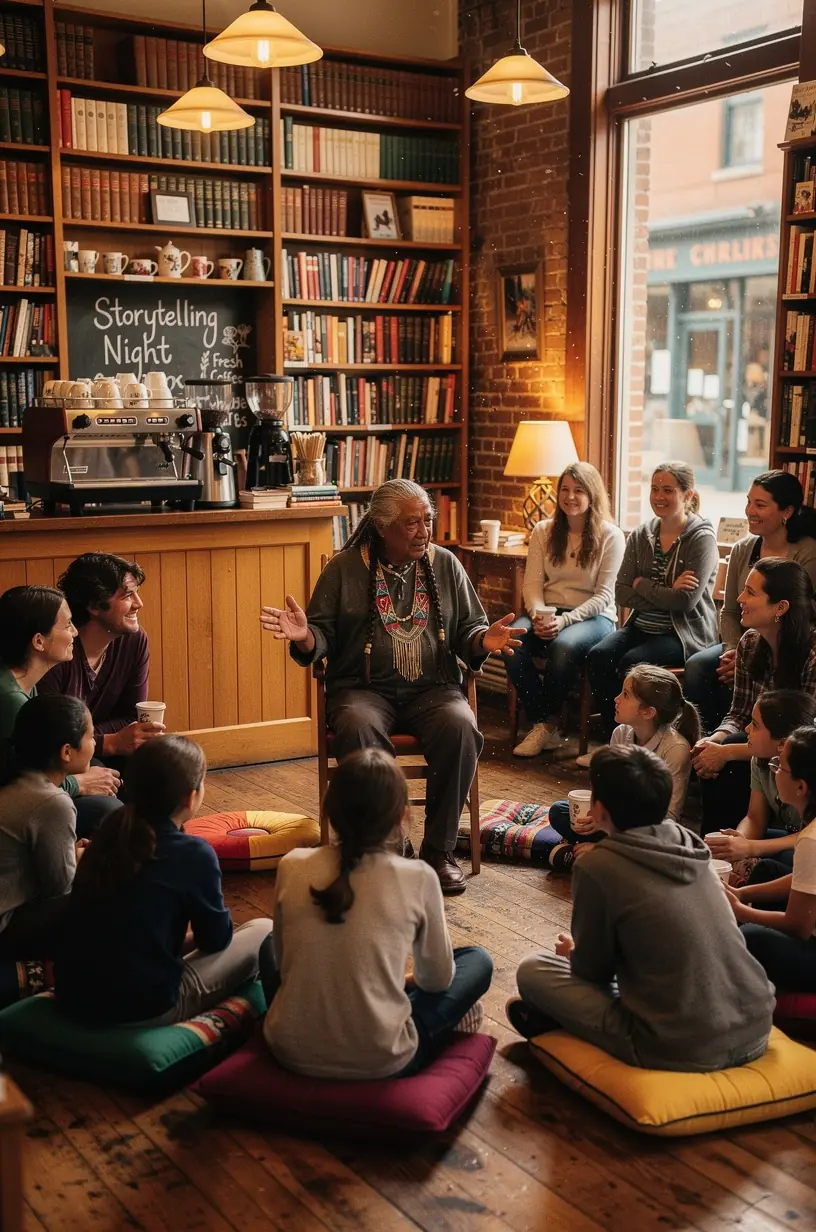
- Appalachian Folklore: This region is known for its rich storytelling tradition, often featuring tales of supernatural events and legendary figures like Jack Tales. Community gatherings frequently celebrate these stories through oral storytelling events, which can foster a deeper understanding of local history.
- Native American Traditions: Many Native American tribes have their own unique folklore that often centers around creation stories, nature, and spirituality. For instance, the Navajo creation myths not only serve as educational tales but also emphasize the relationship between the land and its people.
- Southern Folklore: The Southern U.S. is famous for its folk music traditions, including blues and country. These musical forms typically tell stories about everyday life and historical events, providing a lens through which listeners can connect with the past.
Preserving Folklore Through Community Engagement
Many regions have established community clubs and events to preserve and promote their folklore traditions. For example, storytelling festivals often occur in various states, where individuals gather to share tales and folklore, fostering a sense of community and continuity. These events typically take time to organize and require active participation from community members, often taking several months of planning.
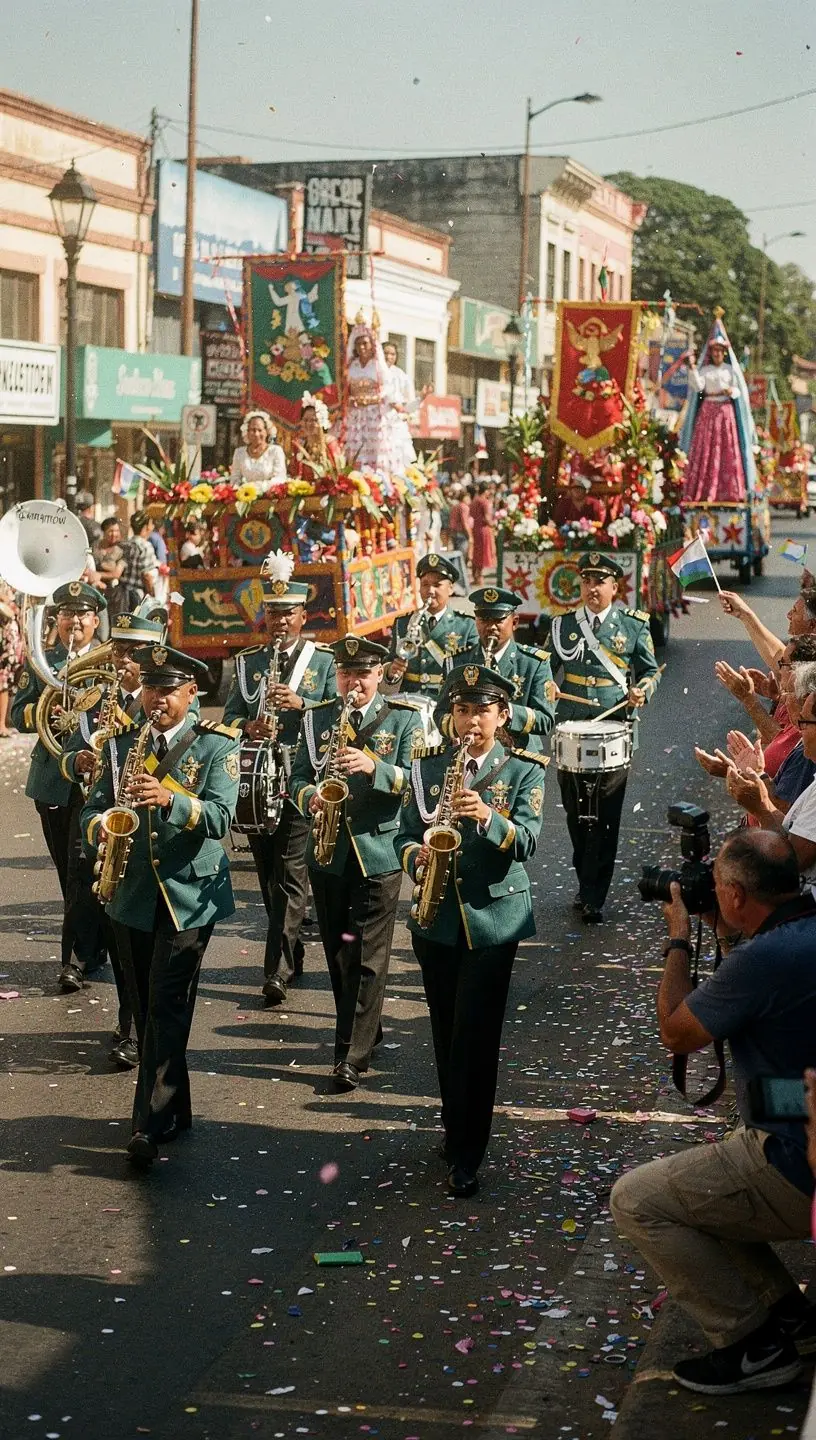
Additionally, music gatherings celebrate regional sounds and stories, where both local talents and visitors can experience the cultural richness. These gatherings can help younger generations appreciate their heritage while also attracting new visitors to the area.
Challenges in Folklore Preservation
While community engagement is essential for the preservation of folklore, certain challenges exist. Many folklore traditions face the risk of fading away due to modernization and changing demographics. Experts suggest that without active participation and dedication from community members, these rich cultural heritages may not survive.
"It is important for communities to take proactive steps to engage younger generations in folklore traditions to ensure their survival." - Cultural Expert
Conclusion
Regional folklore traditions are not merely relics of the past; they serve as living expressions of community identity and history. By participating in local storytelling and music gatherings, communities can keep these traditions alive for future generations. While the journey of folklore preservation requires dedication and effort, the rewards in cultural richness and community cohesion are invaluable.