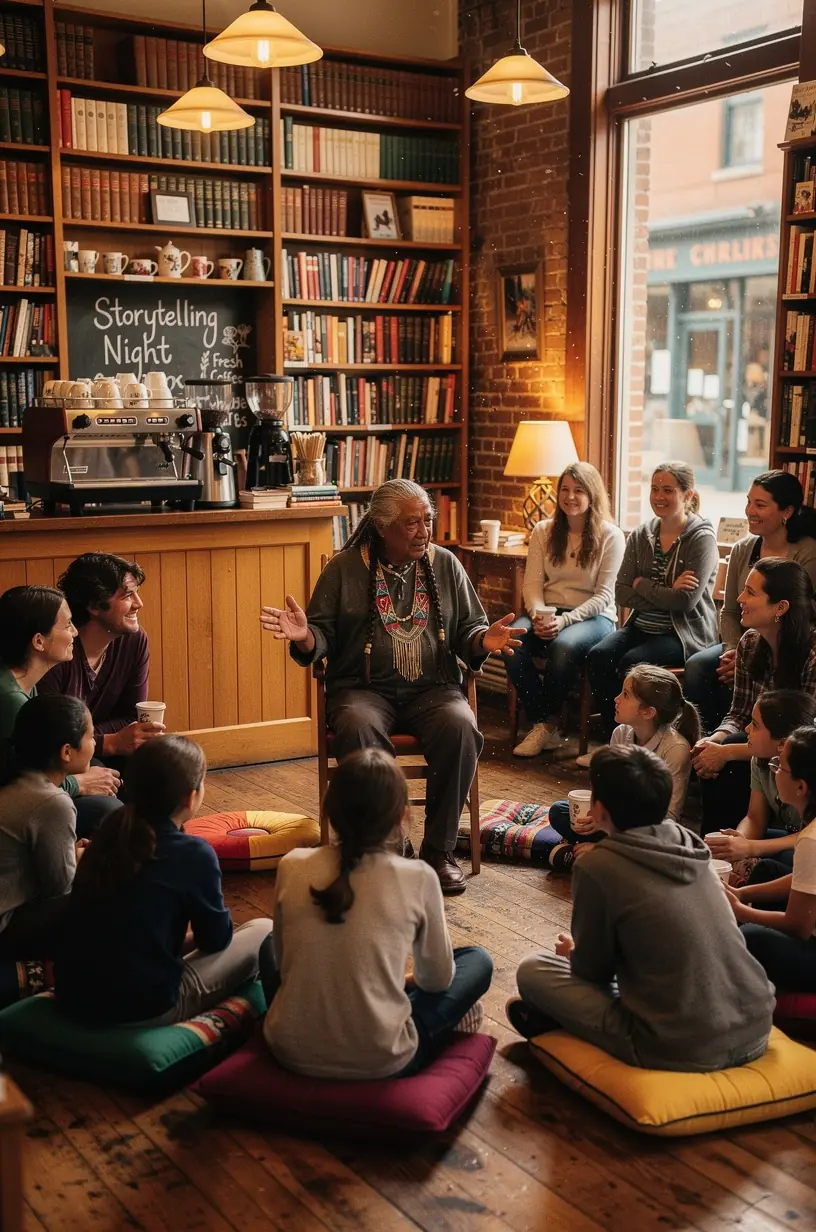
Understanding the Role of Community Clubs
Community clubs serve as foundational elements in local culture, often bringing together individuals who share common interests. This article delves into the significance of these clubs in promoting social cohesion and preserving traditions.
The Importance of Community Clubs
Community clubs typically act as hubs for cultural exchange and social interaction. According to research conducted by the National Institute of Community Development, clubs that engage in regular activities can enhance community engagement by as much as 30%. This engagement is vital for fostering relationships among members and promoting a sense of belonging.

"Community clubs play a crucial role in connecting individuals and nurturing local traditions," says Dr. Sarah Lee, a sociologist specializing in community studies.
Functions of Community Clubs
These clubs often serve multiple functions, including:
- Organizing Events: Many clubs host traditional events that celebrate local heritage, such as festivals and parades.
- Promoting Arts and Music: Clubs frequently organize music gatherings that showcase local talent, thereby stimulating cultural appreciation.
- Fostering Community Projects: They often collaborate on initiatives that address local issues, enhancing community welfare.
Challenges and Limitations
While community clubs can significantly enrich local life, they are not without challenges. For instance:
- Participation typically requires a time commitment, which may vary depending on the club's activity schedule.
- Clubs may face difficulties in sustaining interest over time, especially in rapidly changing communities.
- Resources for organizing events can be limited, particularly in smaller clubs or rural areas.
Building a Strong Community Club
Experts recommend several strategies for building effective community clubs:
- Engage Members: Conduct regular surveys to understand member interests and adjust activities accordingly.
- Promote Inclusivity: Strive to involve diverse groups to ensure representation and enrich discussions.
- Collaborate with Local Organizations: Partnering with other groups can enhance resources and broaden event reach.
Conclusion
Community clubs are significant contributors to local culture, providing opportunities for individuals to come together, share experiences, and celebrate traditions. While challenges exist, the benefits of engaging in these clubs can lead to strengthened community ties and a richer cultural landscape. As these clubs navigate their roles, it is essential to prioritize inclusivity and active participation to foster lasting connections.