How to Organize a Neighborhood Gathering
Creating a sense of community is essential for enhancing neighborhood ties. Organizing a neighborhood gathering can be an effective way to bring residents together, share experiences, and build relationships. In this article, we will explore practical steps to successfully plan such an event.
Understanding the Basics
Before diving into the organization process, it's important to understand the purpose and benefits of a neighborhood gathering. According to research from the Community Development Society, neighborhood events foster a sense of belonging and can significantly improve community involvement. These gatherings often lead to stronger social networks and increased neighborhood safety.
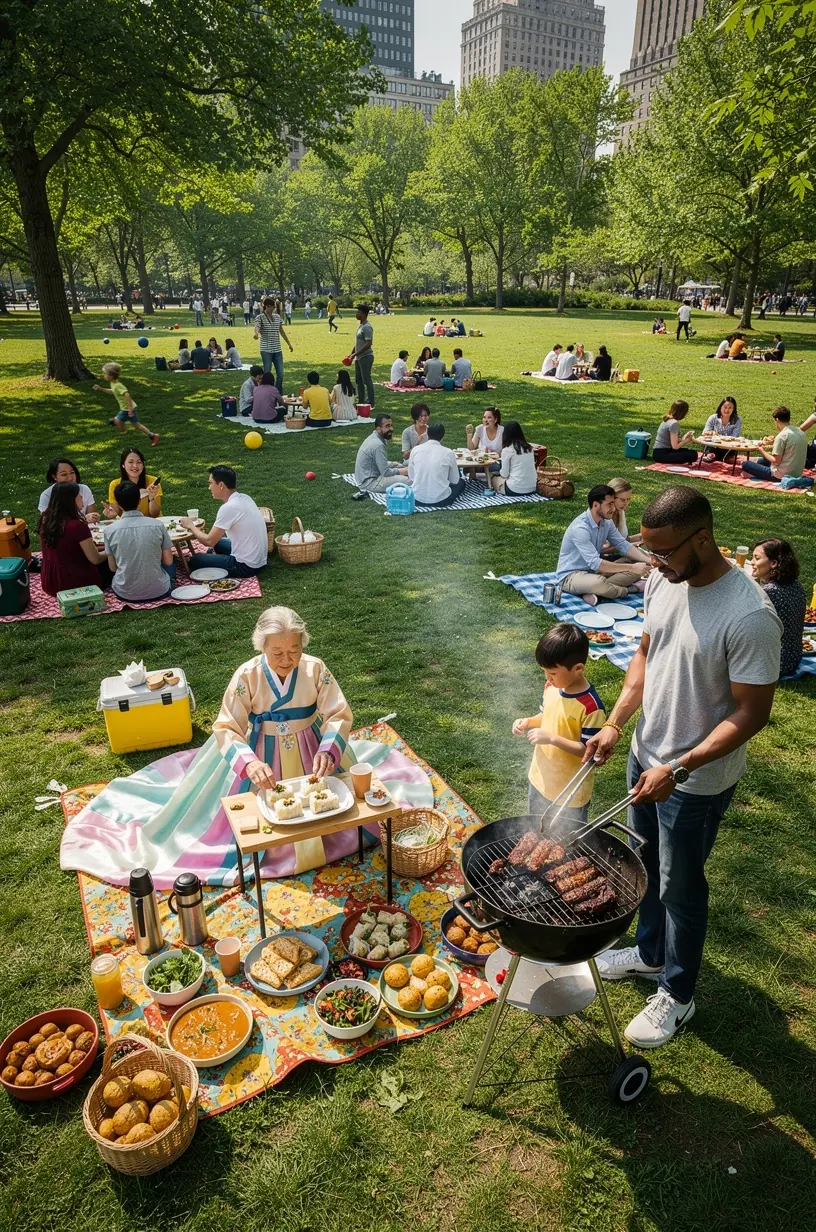
"Community gatherings are vital for enhancing social interaction and cultivating a sense of belonging among residents." - Community Development Society
Planning Your Gathering
Planning a neighborhood gathering typically involves several key steps:
- Define Your Purpose: Consider what you want to achieve. Is it a block party, a potluck dinner, or a community clean-up? Defining the purpose helps set expectations.
- Set a Date and Time: Choose a date that works for most residents, typically during weekends or evenings. According to industry experts, weekend afternoons tend to attract higher attendance.
- Gather Resources: Depending on the type of gathering, you may need tables, chairs, food, or activities. Local businesses may be willing to sponsor or donate resources, which can alleviate financial burdens.
- Promote the Event: Use flyers, social media, or neighborhood apps to spread the word. Clear communication is crucial, as studies show that well-promoted events see higher participation rates.
- Engage Residents: Encourage residents to contribute ideas or activities. Involving them in the planning process can increase interest and investment in the event.
Executing the Event
On the day of the event, preparation is key:
- Set Up Early: Arrive early to ensure everything is in place. This includes setting up seating, décor, and any activities planned.
- Welcome Attendees: Greet everyone as they arrive. A welcoming environment encourages participation and enhances the overall experience.
- Facilitate Activities: If you have planned games or discussions, ensure someone is responsible for facilitating these activities. This keeps the event engaging and organized.
Post-Event Follow-Up
After the gathering, follow-up is often overlooked but is equally important:
- Thank Participants: A simple thank-you note or message can go a long way in fostering goodwill and setting the stage for future gatherings.
- Gather Feedback: Ask attendees for their thoughts on the event. This feedback can be invaluable for planning future gatherings, as it allows you to understand what worked and what could be improved.
Conclusion
Organizing a neighborhood gathering can be a rewarding experience that fosters community spirit and connection. By following these steps and setting realistic expectations, you can create an event that people look forward to attending. Remember, the goal is to create a welcoming environment that encourages participation and strengthens bonds among neighbors.
Learn More