The Evolution of Community Dance Traditions
Community dance traditions in the U.S. have undergone significant changes over the years, reflecting cultural shifts, social dynamics, and technological advancements. Understanding this evolution can provide insight into contemporary practices and community bonding.
Understanding the Historical Context
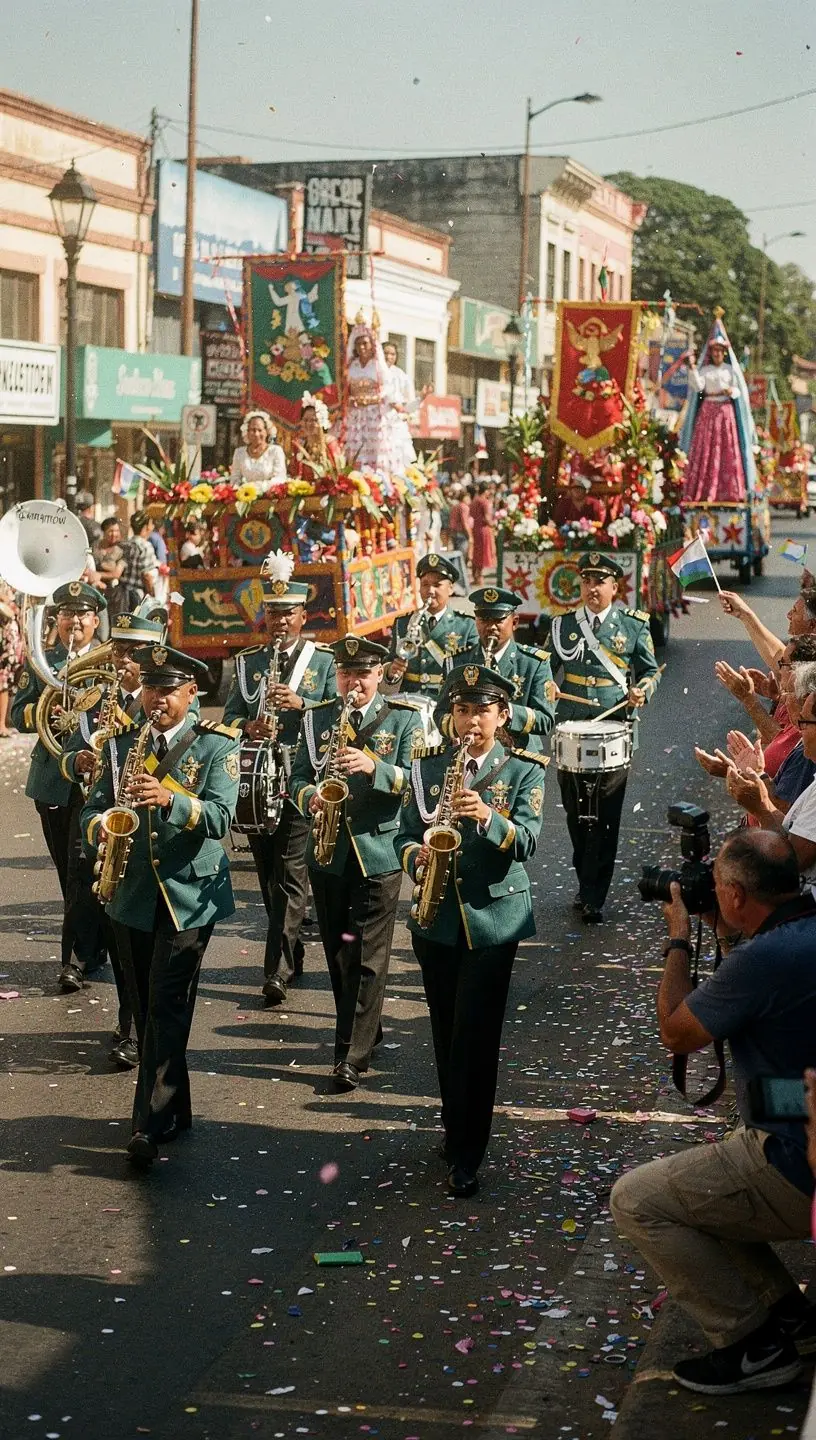
Dance has long been a vital component of community life across diverse cultures in the United States. Traditionally, community dances served as a means of celebration, socialization, and cultural expression. According to ethnographic studies, these gatherings often occurred during seasonal celebrations and religious festivals, playing a crucial role in strengthening community ties.
"Community dances not only celebrate cultural heritage but also foster social cohesion among participants." - Cultural Anthropologist
Impact of Modernization
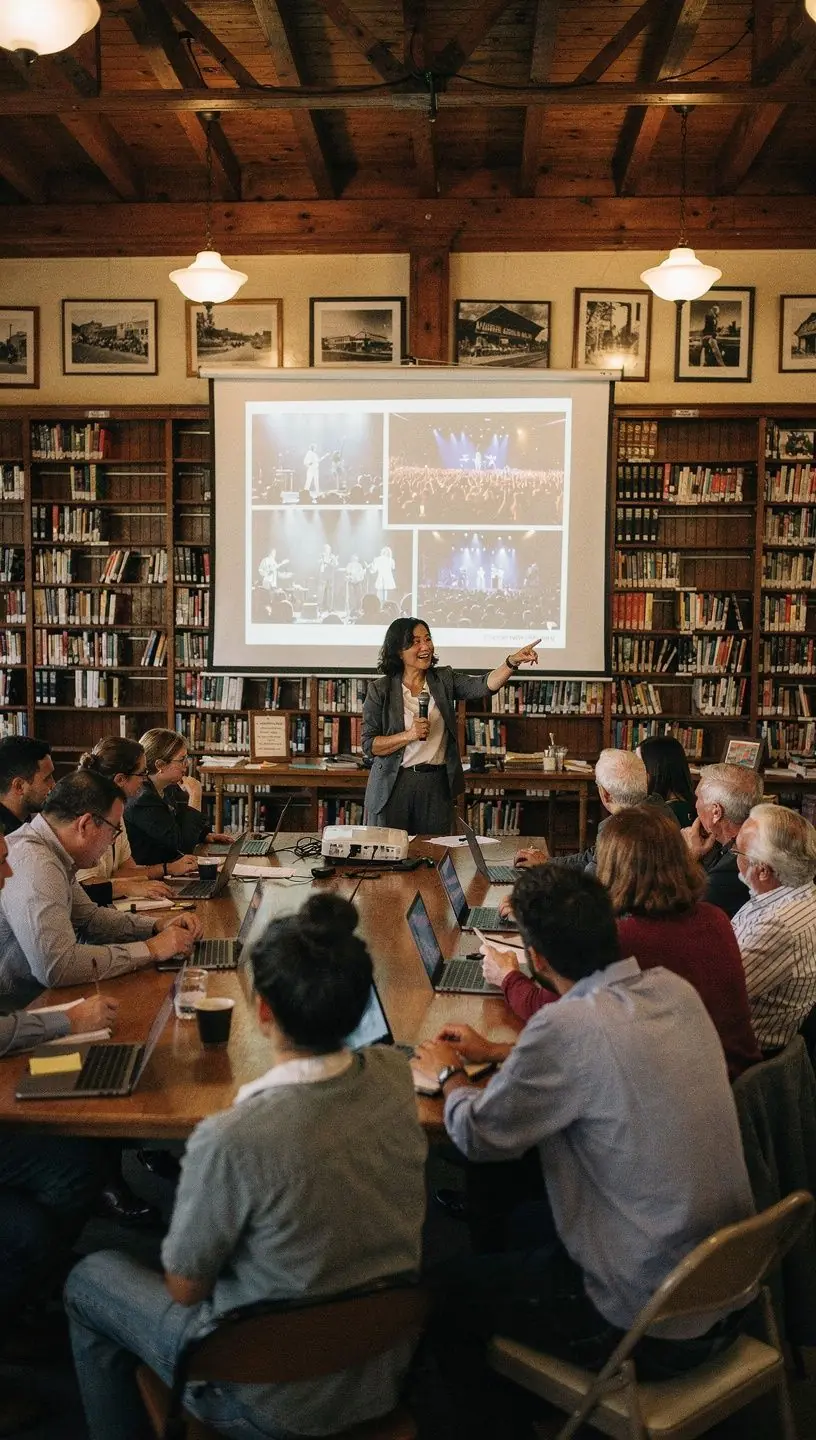
As society has evolved, so too have community dance traditions. The introduction of technology, such as social media and music streaming platforms, has changed how communities engage with dance. For instance, many local clubs now promote events through online platforms, increasing participation. Research indicates that this shift has led to higher attendance rates at community dance events, as people can easily share and access information about gatherings.
Adapting to New Influences
Modern dance forms, influenced by global trends, have also found their way into traditional community events. Styles such as hip-hop, salsa, and line dancing are often integrated into local gatherings, demonstrating adaptability. In many cases, these new influences can revitalize interest in community dance, drawing in participants who may not have otherwise engaged.
Challenges and Limitations
Despite these positive trends, challenges remain. Many traditional dance forms risk being overshadowed by newer styles. Experts recommend that communities actively preserve their unique dance heritage while embracing contemporary forms. This balancing act typically requires dedicated efforts from both organizers and participants.
Time and Commitment
Engaging in community dance traditions often requires a time commitment, particularly for those wishing to learn traditional styles. Mastering these dances can take weeks or even months of practice, depending on individual dedication and prior experience. Additionally, some may feel intimidated by the learning curve associated with new dance styles.
Practical Steps for Community Engagement
- Host Workshops: Regular workshops can help educate participants about traditional dances and their history, while also introducing new styles.
- Utilize Social Media: Promoting events online can increase visibility and encourage a diverse group of participants to attend.
- Foster Inclusivity: Creating an environment that welcomes all skill levels can enhance participation, making the events more accessible.
Conclusion
The evolution of community dance traditions reflects broader societal changes and continues to play a vital role in community life across the U.S. While it is essential to embrace modern influences, maintaining a connection to traditional practices is crucial for preserving cultural heritage. By understanding these dynamics and actively participating, individuals can contribute to a vibrant community dance landscape that honors the past while looking toward the future.