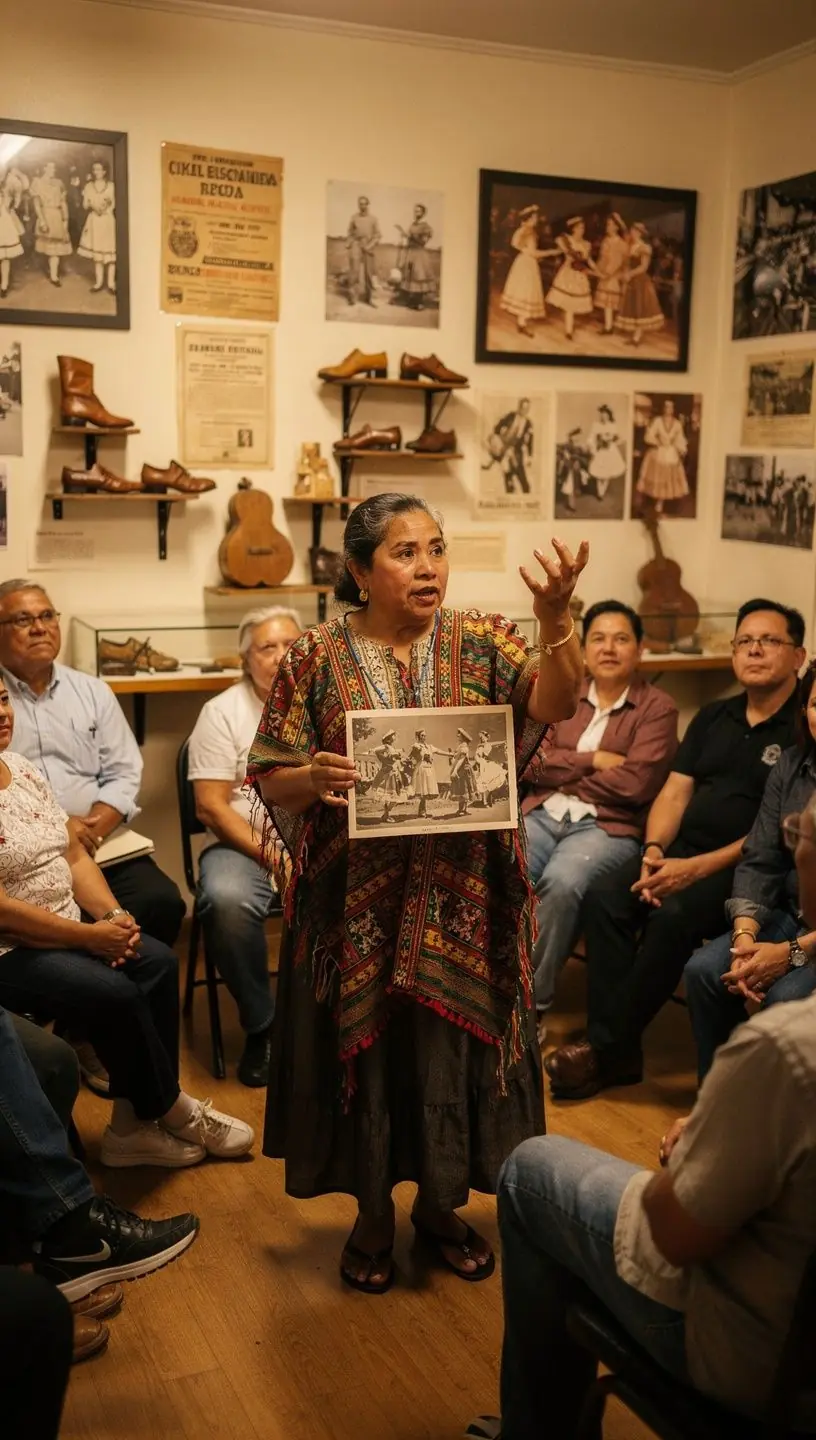
Documenting Traditional Craftsmanship in Local Areas
In an age dominated by rapid technological advancements, traditional craftsmanship remains a vital aspect of local cultures across the United States. This article delves into the significance of preserving these time-honored skills, the techniques involved, and the community impact of such traditions.
Understanding the Importance of Traditional Craftsmanship
Traditional craftsmanship encompasses a variety of skills passed down through generations, often reflecting the cultural heritage of a community. According to research by the American Craft Council, these crafts not only offer a connection to history but also foster community engagement and economic sustainability.
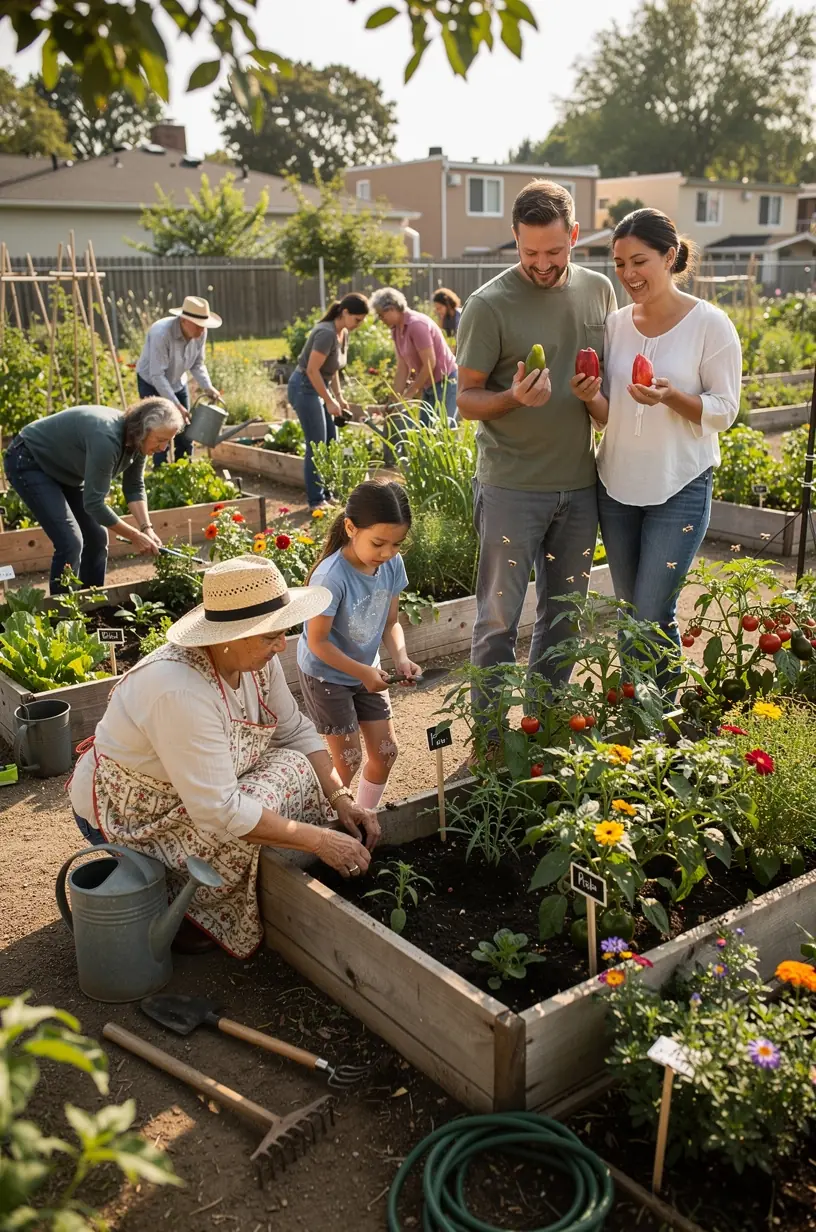
"Traditional crafts are a reflection of the identity of a community, often telling stories that connect us to our past."
The Techniques and Their Relevance
Craftsmanship techniques vary widely, from pottery and weaving to woodworking and metalwork. Each method is built on principles that have been refined over years. For example, many artisans utilize local materials which often reduces environmental impact and supports local economies.
Experts in the field suggest that engaging with traditional craftsmanship can enhance both creativity and problem-solving skills. Studies show that learning these skills typically involves a steep learning curve, requiring dedication and practice. Most artisans report that mastery of their craft often takes years, with many requiring a commitment of 5-10 hours per week to develop proficiency.
Community and Economic Benefits
- Promotes local culture and heritage, helping to maintain community identity.
- Encourages economic development through local artisan markets and tourism, as visitors often seek unique, handmade products.
- Fosters a sense of pride and accomplishment among artisans, enhancing mental well-being and community bonding.
How to Get Involved
If you're interested in supporting or participating in traditional craftsmanship, consider the following approaches:
- Attend local workshops: Many communities offer classes that teach traditional skills. These are great opportunities to learn from experienced artisans.
- Support local artisans: Purchase handmade goods from local markets or craft fairs, which directly contributes to the community's economy.
- Document and share: Consider documenting the stories of local artisans through interviews or photography. This can help raise awareness and appreciation for their work.
Conclusion
Documenting and preserving traditional craftsmanship is essential not only for cultural heritage but also for community cohesion and economic sustainability. By engaging with these practices, we can help foster a deeper connection to our roots while supporting local artisans. Remember, while the journey of learning these skills can take time and effort, the rewards of cultural and personal enrichment are invaluable.
Learn More